
Low-foam surfactants are specialized compounds designed to minimize foam generation while retaining excellent surface activity. Unlike traditional surfactants that produce persistent foam, low-foam surfactants address issues in industrial processes where excessive foam disrupts operations, reduces efficiency, or requires constant defoamer addition. By inherently producing less stable foam, low-foam surfactants offer a fundamental solution, enhancing process stability, reducing costs, and improving sustainability across applications like spray cleaning, machine dishwashing, and textile dyeing.
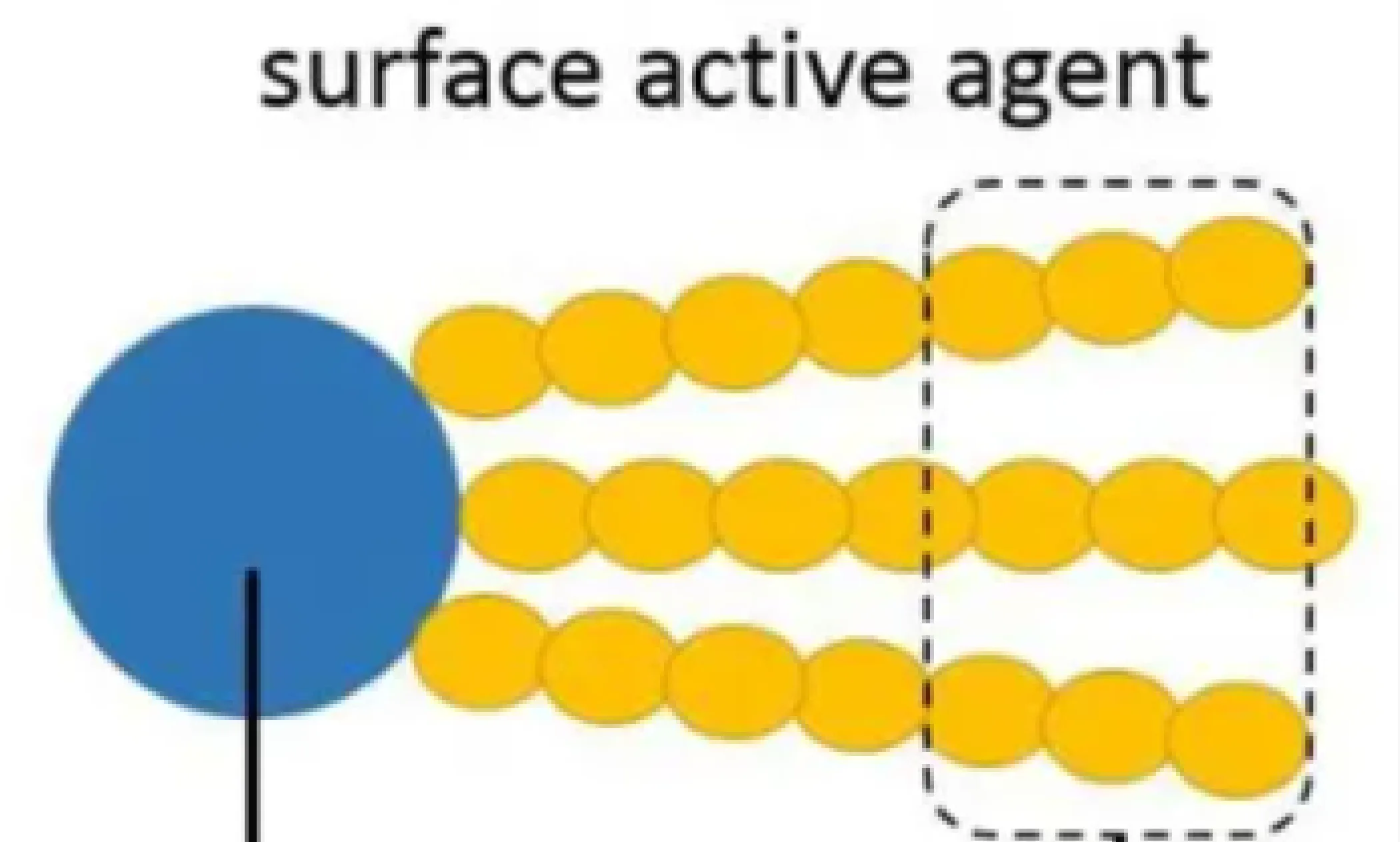
Foam Generation Mechanism
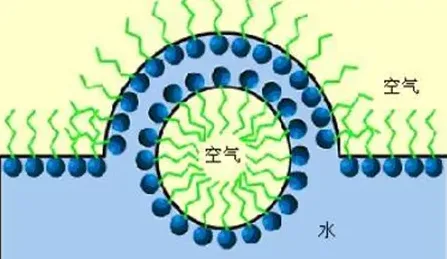
Foam forms when air is entrained in a moving liquid, creating thin liquid films encapsulating gas bubbles. In pure water or alcohols, foam bursts almost instantly (~0.3 s). However, in surfactant solutions, oriented adsorption at the gas-liquid interface stabilizes films, prolonging foam life and leading to accumulation.
Factors Influencing Surfactant Foam
Post-formation, gravity drains liquid from film centers to edges, thinning the top until rupture. Key factors:
- Viscosity: Lower viscosity accelerates drainage, faster rupture.
- Surface Tension: Higher tension strengthens films but makes them brittle, promoting rupture.
- Molecular Arrangement: Irregular packing creates weak points, easing rupture.
Low-foam surfactants exploit these by elevating surface tension, disrupting orderly packing, or increasing drainage rates.
Types of Low-Foam Surfactants
Four major commercial classes dominate low-foam surfactants:
EO/PO Block Polyethers
Synthesized from initiators (fatty alcohols/acids/low-carbon polyols) condensed with ethylene oxide (EO) and propylene oxide (PO) in specific ratios.
Polyoxyethylene -(CH2CH2O)- hydrophilic; polyoxypropylene -(CH(CH3)CH2O)- lipophilic. Mixed structure promotes micelle formation (higher tension) and steric hindrance creates film gaps, weakening stability—low foam.
Higher PO proportion lowers foam further.
Applications: dispersants/retainers in concrete reducers; emulsifiers balancing HLB in aqueous pesticides; low-foam surfactants in industrial cleaning.
Isooctanol and Derivative Phosphate Esters
Isooctanol excels in defoaming among alcohols; derivatives inherit low-foam traits. Introducing phosphate raises tension, further reducing foam.
Common: isooctyl phosphate, isooctanol polyoxyethylene ether phosphate.
Synthesis of Isooctanol Phosphate
Simple: isooctanol + P2O5 controlled ratio, room temperature start (exothermic to 70°C), maintain <70°C 2-3 h, cool, neutralize NaOH to pH 7—colorless/yellow viscous liquid.
Mono/di-ester mixture; higher alcohol monoester, higher P2O5 diester.
Isooctanol polyoxyethylene ether phosphate: two steps—isooctanol + EO (1:5 molar) NaOH catalyst 120°C 0.2 MPa 5 h; cool, add P2O5, react 2 h, neutralize.
Anionic low-foam surfactants with penetration/wetting; textiles/dyeing, leather, ceramics, papermaking. Polyoxyethylene variants emulsify alkaline bottle/curtain wall cleaning.
EO/PO Block Polyether-Modified Silicone Surfactants
Silicone surfactants (Si-O-Si backbone organic side chains) spread rapidly, high wetting. Alone not low-foam—defoamers need hydrophobic silica.
Replacing methyl with polyether raises tension, reducing foam.
EO/PO modification enhances hydrophilicity—rapid water dissolution without emulsifiers; improves acid/alkali/salt/heat stability.
Low-foam variants soften textiles/paper, reduce intermittent process foam. Agriculture: pesticide wetting/emulsification prevents spray drift. Cleaning: rapid wetting hydrophobic surfaces, enhanced oil removal, shorter cycles.
Ethoxylated Fatty Acid Methyl Esters and Derivatives
Esters inherently low-foam; some defoam (natural oils soymilk, high-chain methyl esters alkaline papermaking).
Ethoxylated fatty acid methyl esters (FMEE) low-foam with emulsification/dispersion.
Polyether esters: easy dispersion/high activity/strong suppression; ethoxylation boosts hydrophilicity weakens hydrogen bonds film strength—easier rupture.
Methyl hydrogen inactive high activation; low conversion. Introduce hydroxyls dual-site ethoxylation.
Hydroxyl/ester ethoxylated: ester polyether low-foam + alcohol polyether activity; superior washing especially dispersion prevents redeposition oil/wax cleaning.
Sulfonated anionic FMES low foam.
Acid/alkali resistant; tertiary oil recovery. Emulsification/dispersion industrial cleaning/dyeing; deinking papermaking.
Conclusion
Low-foam surfactants like EO/PO block polyethers, isooctanol phosphate derivatives, ethoxylated fatty acid methyl esters, and polyether-modified silicones are widely applied in pesticide spraying, machine dishwashing, spray cleaning, and overflow dyeing. In foam-sensitive industries, low-foam surfactants fundamentally eliminate issues without compromising performance—current development direction for efficient, stable processes.
For more on related products, visit Surfactants. Questions? Contact us. In summary, low-foam surfactants and low foaming surfactants revolutionize industrial applications by providing foam control inherently.
Summary of Surfactant Knowledge Points
A Series for Easy Understanding
Green surfactants
- Classification and Properties of Green Surfactants
- Natural Polysaccharide-Based Green Surfactants
- Properties and Applications of Anionic Amino Acid Surfactants
- Synthesis Processes of Anionic Amino Acid Surfactants
- Microbial Surfactants: Sophorolipids
- Types and Structures of Cardanol-Based Surfactants
New surfactants
- Synthesis and Applications of Phosphate Ester Surfactants
- Gemini Surfactants and Their Antibacterial Properties
- Low-Foam Surfactants: Types, Properties, and Applications
- Impact of Polyether Structure on Product Performance
- Types and Applications of Isomeric Alcohol Special Surfactants
- Research Progress on Secondary Alcohol Ethoxylates