
Isomeric alcohol surfactants, derived from branched-chain fatty alcohols, exhibit unique properties compared to straight-chain counterparts due to their molecular structure. These special surfactants provide excellent wetting, emulsification, detergency, scale removal, solubilization, foaming, antistatic, dispersion, rust prevention, and lubrication. They compatibilize easily with additives, show low toxicity/irritation, good biodegradability, and lower dynamic surface tension—driving rapid adoption in daily chemicals, detergents, textiles, leather, electroplating, papermaking, and synthetic fibers.



Isomeric Alcohol Polyoxyethylene Ethers
Produced by ethoxylation of isomeric alcohols with ethylene oxide under alkaline catalysis.
High-volume products use hydrophobic bases like isooctanol, isodecyl alcohol, isotridecyl alcohol, and C12-C15 secondary alcohols. Beyond outstanding penetration, they offer superior emulsification and minimal gel phase behavior. Applied in agriculture, emulsion polymerization, petroleum, mining, and detergents.
Isodecyl/isotridecyl alcohols with varying EO adducts (HLB 9-16) excel in silicone oil emulsification—cost-effective, low dosage, stable emulsions—best for silicone softeners. Strong penetration reaches fiber interiors for superior hand feel.
Branched isomeric alcohol ethoxylates (Multiso, Isalchem, Lialet) outperform NPEO as replacements. At EO <10, better wetting, lower foam stability (easier processing), detergency matching NPEO. Widely in coatings and other industries.
Isomeric Alcohol and Ether Phosphate Esters
Key in phosphate surfactants. Low-carbon isomeric (isooctanol, isodecyl, isotridecyl) polyoxyethylene ether phosphates resist acid/alkali/heat/electrolytes, dissolve/stabilize in alkaline solutions—no layering/precipitation. Compatibilize anionics/amphoterics; alkaline penetrants/refiners in dyeing/finishing.
High-carbon isomeric alkyl phosphates irreplaceable vs. straight-chain.
Low-Carbon Isomeric Alcohol Polyoxyethylene Ether Phosphate Sodium Salts
Mixtures: monoester, diester, polymers, inorganic salts, unreacted alcohol—distinct properties. Monoester best solubility/higher tension; diester superior penetration. Isomeric lower tension than straight-chain.
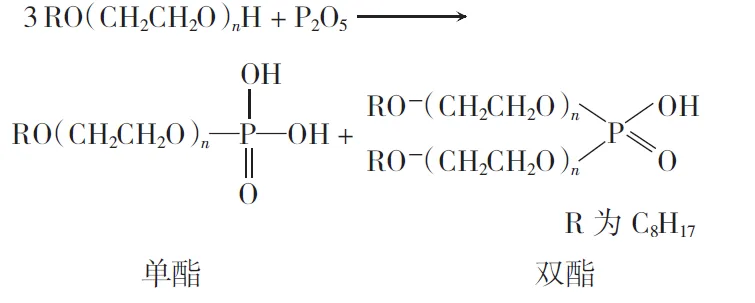
EO introduction improves aqueous solubility, alkali resistance, penetration, detergency.
Isooctanol polyoxyethylene ether phosphate + branched sulfonates enhances alkali resistance—meets high-caustic dyeing/pre-treatment needs. Diester-dominant forms rapid adsorption films—short penetration, rapid caustic/fiber reaction refining. Diester stronger detergency than monoester; C10 diester best; branched outperform straight same carbon.
Ideal for alkaline/high-temperature/oxidant/hard water pre-treatments: isooctanol/isodecyl polyoxyethylene ether phosphates.
High-Carbon Isomeric Alkyl Phosphates
Isotetradecanol + P2O5 potassium salt mixture: excellent low-temperature flow/thermal stability/compatibility. Antistatic in polyester/spandex/acrylic production. Superior heat resistance/smoothness/no powder shedding; high-temperature antistatic standout; bundling better other alkyl phosphates.
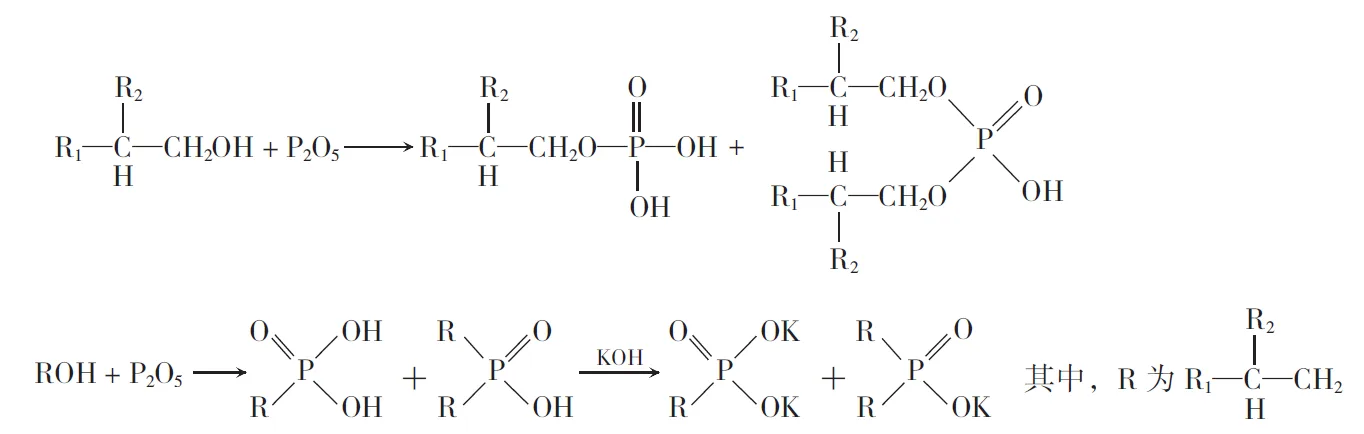
Beyond antistatic/heat resistance/bundling: emulsification/softening/rust prevention. Emulsify silicone oils/pesticides/cosmetics/lubricants—high-performance broad prospects.
Isomeric Alcohol Polyoxyethylene Polyoxypropylene Ethers
Isomeric alcohol charged loop reactor, catalyst, nitrogen purge reduce oxygen. Heat; add EO/PO designed—control pressure/temperature for isomeric polyethers.

Secondary Alcohol Polyethers
General rule: central hydrophilic excellent wetting/penetration, poorer detergency. Detergent chains ideally C8-C14.
C12-C15 secondary alcohols EO/PO block yield XZS-70 industrial cleaner: balanced wetting/detergency/low foam/low pour—strong application.
Highly Branched Fatty Alcohol Polyethers
Fluorinated exterior paints low concentration reduce tension/improve substrate wetting/spreading. Address VOCs—eco-friendly. Fluorinated emulsification challenging standard surfactants.
Low-carbon oxo alcohols (2-position branched + multi-branched ~100%) EO/PO highly branched polyethers effective emulsifiers.
Isomeric Alcohol Ether Succinate Sulfonates
Isomeric alcohol/ether heated sulfuric/p-toluenesulfonic acid catalysis + maleic anhydride → monoester (60-90°C) or diester (120-125°C); sulfonation sodium sulfite/bisulfite → sodium succinate sulfonate.
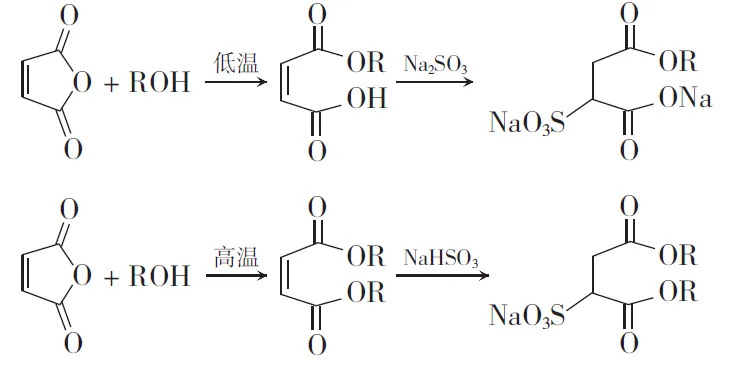
Sulfonate mostly α-carbon adjacent unesterified carboxyl. Widely detergents/textiles/dyeing/cosmetics.
Wetting: C7 longer reduces; branching enhances. Secondary octanol disodium widely produced; isodecyl/isotridecyl good.
Detergency: monoester excellent solubility/arbitrary concentration/low tension/good hard water resistance.
Dispersion: secondary alcohol ether (n>15) disodium benzylidene dispersant electroplating. + nonionic succinates → rosin dispersant papermaking: stable emulsion 0.5-1.5 μm particles, good sizing/low foam/higher degree/overcome summer difficulties/reduce rosin/alum/costs.
Ongoing reverse micelle research expands applications.
For more on related products, visit Surfactants. Questions? Contact us. In summary, isomeric alcohol surfactants and branched alcohol surfactants deliver specialized performance in diverse industries, advancing sustainable solutions.
Summary of Surfactant Knowledge Points
A Series for Easy Understanding
Green surfactants
- Classification and Properties of Green Surfactants
- Natural Polysaccharide-Based Green Surfactants
- Properties and Applications of Anionic Amino Acid Surfactants
- Synthesis Processes of Anionic Amino Acid Surfactants
- Microbial Surfactants: Sophorolipids
- Types and Structures of Cardanol-Based Surfactants
New surfactants
- Synthesis and Applications of Phosphate Ester Surfactants
- Gemini Surfactants and Their Antibacterial Properties
- Low-Foam Surfactants: Types, Properties, and Applications
- Impact of Polyether Structure on Product Performance
- Types and Applications of Isomeric Alcohol Special Surfactants
- Research Progress on Secondary Alcohol Ethoxylates