
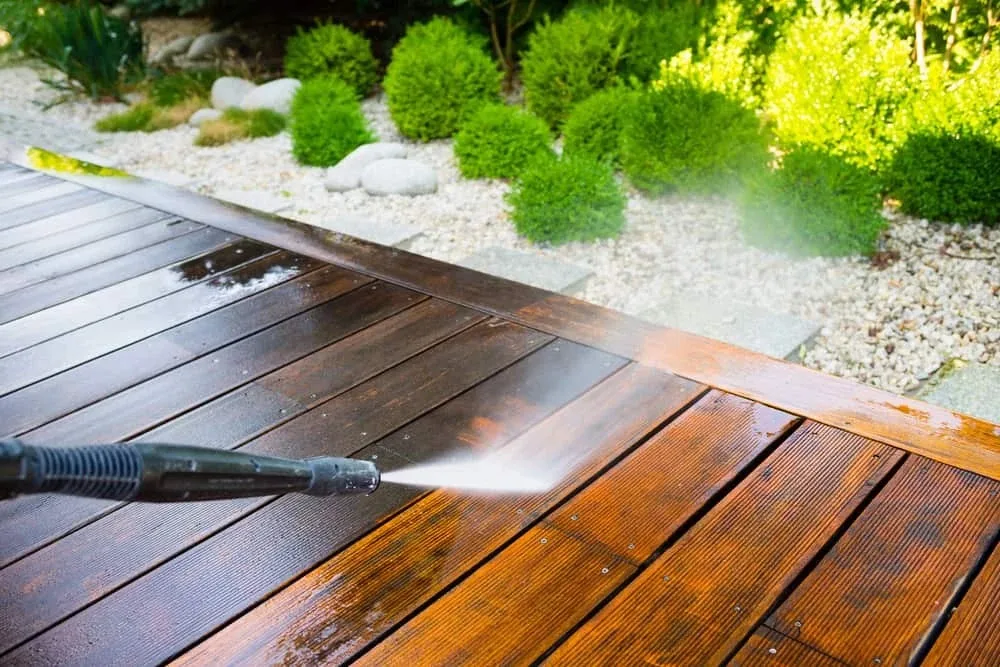
Oxalic acid cleaning is a proven, powerful method for tackling tough stains and rust on various surfaces. As a reliable oxalic acid cleaner, it excels at removing rust from buildings, boats, pools, concrete driveways, sidewalks, iron machinery, wooden decks, stairs, and trim. It’s also renowned as an outstanding wood bleach, restoring natural color to stained, unpainted light woods. If considering oxalic acid for cleaning, here’s essential guidance for safe, effective use.
Oxalic acid comes as dry crystals, mixed with warm or hot water into solution. Apply by spraying on stains, scrubbing with a brush. Allow dwell time for penetration; heavily stained areas may need multiple applications. Thoroughly rinse with plenty of water and let dry.
How Much Oxalic Acid to Use?
Optimal ratios vary by application:
- Outdoor concrete driveways, sidewalks, buildings: 1 cup oxalic acid per gallon warm water.
- Wood: 2 cups crystals per gallon hot water. Effectively removes black water stains, weathering, tannin stains. Apply evenly to avoid blotching; scrub, rinse until no white residue. Ensure none remains before sanding/finishing.
- Rust on metal machinery parts: Pre-clean with soap/water to remove grease/dirt. Soak in 10 parts water to 1 part oxalic acid. May require overnight for complete rust removal; rinse and dry.
How Oxalic Acid Works
Oxalic acid cleaning shines in rust removal via double displacement reaction. Contacting rust (iron oxide) converts it to iron oxalate—a water-soluble salt easily rinsed away.
Iron in rust bonds with oxalic acid’s oxalate, forming iron oxalate; hydrogen/oxygen form water.
Reaction:
Fe₂O₃ + 3H₂C₂O₄ → Fe₂(C₂O₄)₃ + 3H₂O
(Iron oxide (rust) + oxalic acid → iron oxalate + water)
Potential Damage from Oxalic Acid?
While effective, avoid prolonged metal contact—may leach ions.
High concentrations risk damaging surfaces (e.g., enameled cast iron). Prefer multiple low-concentration applications.
No harm to incidental painted/varnished surfaces. Diluted safe for galvanized metal/stainless steel. Rinsed runoff harmless to lawns/plants.
Safety Precautions When Using Oxalic Acid
Oxalic acid cleaner is strong acid and toxic—wear protective gear: goggles, rubber gloves. May irritate skin; wash thoroughly post-contact. Handle dry crystals carefully—avoid inhalation/ingestion. Consult full safety data sheet.
For more on related products, visit Surfactants. Questions? Contact us. In summary, oxalic acid cleaning with proper oxalic acid cleaner techniques safely restores surfaces—powerful rust/stain removal for wood, concrete, metal.