

Launching a chemical manufacturing business requires high-performance products that deliver consistent results. Active Foam Concentrate (also known as snow foam or car wash foam) is one of the most demanded formulations in the professional detailing and industrial cleaning sectors. It provides long cling time, rich foam structure, superior soil suspension, and effective grease removal while remaining safe on vehicle paint and seals.
At Book-Chem, we support emerging manufacturers worldwide with premium surfactant raw materials. While we cannot offer custom formulation services during our current high-capacity period, this technical guide equips you with professional-grade principles and starter recipes to accelerate your R&D.
1. Core Surfactant System in Active Foam Concentrate
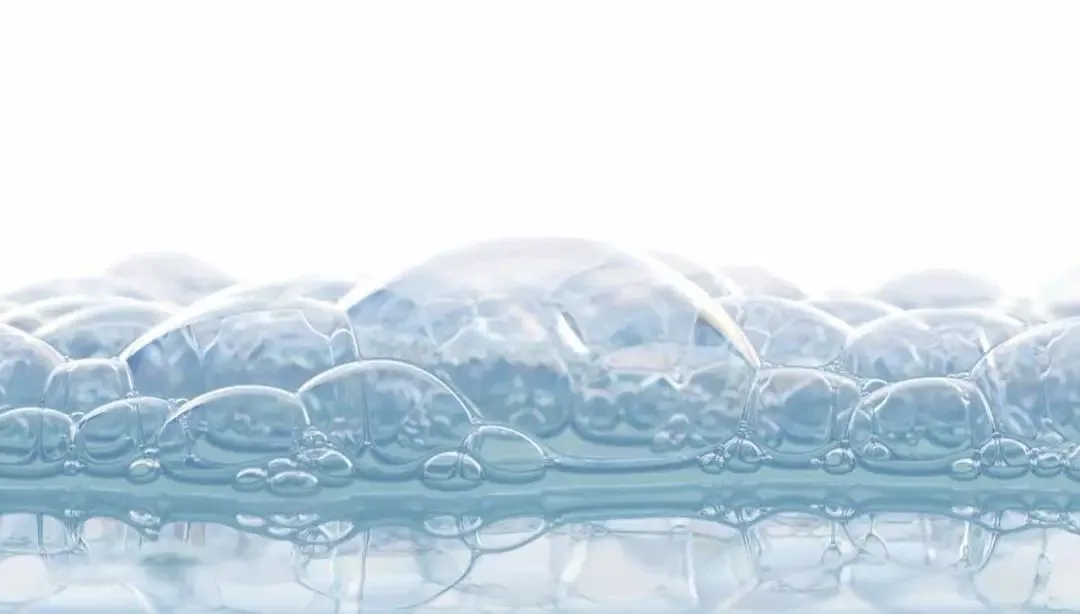
A high-performance active foam concentrate relies on synergistic surfactant blends rather than a single ingredient. The system typically combines anionic surfactants for cleaning power and foam volume, amphoteric surfactants for mildness and foam stability, and non-ionic surfactants for thickening and creaminess.
Key Components:
- SLES 70% (Sodium Lauryl Ether Sulfate) — Primary high-foaming anionic surfactant. Delivers excellent foam height and stability.
- LABSA 96% (Linear Alkyl Benzene Sulphonic Acid) — Strong degreaser. Must be neutralized (typically with NaOH, TEA or KOH) to form LAS before final blending.
- CAPB (Cocamidopropyl Betaine) — Amphoteric co-surfactant that boosts foam density, improves mildness, reduces irritation potential, and enhances viscosity response to salt.
- AOS (Alpha Olefin Sulfonate) — Excellent wetting agent and foam booster with superior hard-water tolerance and grease-cutting ability. (AOS-35 liquid version recommended for easy incorporation)
- CDEA (Cocamide DEA) — Non-ionic foam stabilizer and thickener. Builds luxurious creamy texture and improves foam cling time.
Professional Starter Formulation (Minimum order quantity: 2 tons) – High-Foam Active Concentrate
Version A: Standard Economy Formula (≈12–15% total active matter)
| Ingredient | % (w/w) | Function | Recommended Link |
|---|---|---|---|
| SLES 70% | 15–18 | Primary foamer & cleanser | View Product |
| LABSA 96% (neutralized) | 4–6 | Degreasing power | View Product |
| CAPB | 3–5 | Foam booster & mildness | View Product |
| CDEA | 2–4 | Thickener & foam stabilizer | View Product |
| AOS | 1–3 | Hard-water tolerant wetting agent | View Product |
| EDTA-4Na or Chelating Agent | 0.3–0.8 | Hard water control | Inquire |
| NaCl (Salt) | 0.5–2.5 | Viscosity builder (salt curve) | – |
| Preservative, Fragrance, Dye | q.s. | Stability & aesthetics | – |
| Deionized Water | to 100 | Solvent | – |
Version B: Premium Enhanced Formula (Higher foam stability & cling)
Increase CAPB to 5–7%, add 2–3% AOS, and reduce LABSA slightly for better mildness on painted surfaces.
Manufacturing Notes (Professional Procedure):
- Neutralize LABSA first in a portion of water to pH 7–8 using caustic or alkanolamine.
- Add SLES slowly under gentle stirring to avoid excessive foaming.
- Incorporate CAPB and AOS, then CDEA (heat to 40–50°C if needed for homogeneity).
- Adjust pH to 7.0–8.5 (optimal range for car wash foam — avoids paint damage and maximizes surfactant performance). Use citric acid or NaOH for fine tuning.
- Viscosity adjustment: Add NaCl gradually while monitoring with a viscometer. The salt curve peaks typically between 1–3%. CAPB and CDEA shift the salt response, often requiring less salt for target viscosity (500–3000 cP for concentrates). Over-salting can cause clouding or phase separation.
Final pH & Viscosity Targets:
- pH: 7.0–8.5 (neutral to slightly alkaline)
- Viscosity (concentrate): 800–2500 cP (adjustable for different foam lance equipment)
- Dilution ratio for use: 1:10 to 1:30 depending on foam cannon pressure and desired cling time.
2. Critical Formulation Variables
- Water Hardness — Higher chelant levels (EDTA, GLDA, or HEDP) are required in hard-water regions.
- Temperature & Equipment — High-pressure snow foam systems need lower viscosity and faster-draining foam; manual application benefits from higher viscosity and longer cling.
- Performance Testing — Always evaluate foam height, drainage time (cling), soil suspension, and residue on test panels.
3. Current Production Status & Support
Book-Chem is operating at full capacity to meet surging global demand for high-purity surfactants. Our technical team is currently focused on large-scale international shipments, so we are temporarily unable to provide individual custom formulation consulting or lab testing services.
4. How to Develop Your Formula Efficiently
- Use the starter recipes above as a reliable baseline.
- Employ AI tools (ChatGPT, Gemini) for initial ratio suggestions and MSDS review.
- Conduct small-batch trials (1–5 kg) and systematically adjust pH, salt, and surfactant ratios.
- Source consistent, high-purity raw materials — inconsistent quality directly impacts foam performance and batch-to-batch stability.
Browse our complete surfactant catalog for professional-grade chemicals.
Let’s Grow Together
We aim to be your long-term, reliable supplier of premium surfactant raw materials as your production scales. High-purity ingredients are the foundation of repeatable, market-leading active foam concentrates.
Have questions about current availability, bulk pricing, or shipping?The fastest way to get real-time updates and quotations is via WhatsApp.
👉 Connect with us on WhatsApp: https://wa.me/37257220488
For any raw material inquiries, please contact us via WhatsApp.
Wishing you success in building a competitive chemical manufacturing business!