
The escalating conflict in the Middle East has effectively closed the Strait of Hormuz, severely disrupting global energy and petrochemical supply chains. This vital shipping route handles a significant portion of the world’s naphtha and crude oil flows, directly threatening the production of ethylene (C₂H₄) – often called the “mother of the chemical industry.”
This disruption combines physical supply interruptions and logistics blockages, reshaping global petrochemical trade patterns and driving up costs for downstream products like surfactants.
Idemitsu Kosan Warns of Potential Ethylene Production Halt in Japan
According to a March 7, 2026 report from Nikkei Asia, Japanese petrochemical giant Idemitsu Kosan has notified partners that prolonged Strait of Hormuz blockage could force a halt in ethylene production at its Japanese facilities due to inability to import naphtha from the Middle East.
At-Risk Facilities and Capacities
- Tokuyama Plant (Yamaguchi Prefecture): Annual ethylene capacity of approximately 623,000 tons.
- Chiba Plant (Chiba Prefecture): Annual ethylene capacity of approximately 374,000 tons.
Combined, these plants account for roughly 16% of Japan’s total ethylene output.
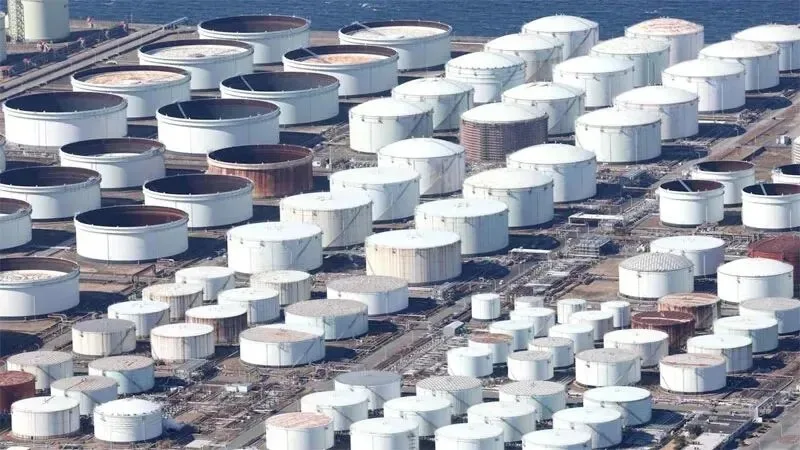
The Tokuyama facility relies heavily on imported naphtha, while the Chiba plant integrates crude refining with naphtha cracking for ethylene production.
Japan maintains crude oil reserves for about 250 days, but naphtha stockpiles are critically low at only around 20 days.
Japan’s Ethylene Industry Overview
Japan operates 12 ethylene crackers with a combined annual capacity of approximately 6.16 million tons. These are run by major refining and petrochemical companies, with varying dependence on Middle East naphtha.
If tensions persist, more producers may face reduced output or shutdowns.
Responses from Other Major Players
- Mitsui Chemicals: Operating plants in Chiba and Osaka Prefectures, the company is assessing naphtha supply duration and exploring sourcing from non-Middle East regions, including domestic options.
- Cosmo Energy Holdings / Maruzen Petrochemical: Facilities in Chiba expected stable production through March 2026, with efforts underway to secure alternative supplies.
- Other firms like Mitsubishi Chemical have already initiated ethylene output reductions to conserve feedstock.
Regional and Global Ripple Effects
Several Asian producers have declared force majeure due to naphtha shortages:
- Chandra Asri Pacific (Indonesia): Declared force majeure on March 3, 2026.
- PCS (Singapore): Issued force majeure notice on March 5, 2026, as roughly half its naphtha comes from the Middle East.
The crisis has halted ~15% of global ethylene supply directly, with rerouting around the Cape of Good Hope increasing shipping times, freight costs, and war risk premiums dramatically.
In this scenario:
- The United States emerges as a key alternative supplier for large-scale ethylene and derivatives.
- China acts as a regional stabilizer.
- Japan, Korea, and Southeast Asia shift from exporters to potential importers due to feedstock constraints.
This geopolitical storm not only inflates petrochemical prices but highlights supply chain vulnerabilities, urging companies to prioritize diversification and resilience.
At BookChem, we specialize in reliable surfactant solutions and ethylene-derived intermediates. For stable supply alternatives amid market disruptions, explore our high-quality surfactant products here: https://book-chem.com/surfactant.
The Strait of Hormuz closure underscores the fragility of global ethylene and naphtha chains – contact BookChem today to secure your surfactant and petrochemical needs in uncertain times.